Plated, Not Piled: Why UK Wedding Receptions Are Returning to the Table in 2026
Something quietly old-fashioned is happening at UK weddings in 2026: couples are putting guests back at the table. After years of grazing tables, street-food vans and help-yourself buffets, the seated wedding breakfast is returning — not as a stiff, silver-service relic, but as a warm, structured way to feed people properly. The shift makes sense. When everyone sits down at the same time, the room settles. Conversations start. Speeches land better. And the catering team can serve food at its best, rather than watching a beautiful spread wilt under a queue.
Why courses are back on the table
A seated meal gives the day a rhythm. Guests arrive, find their name, take a drink and settle into the room. There is a beginning, a middle and a pudding. For couples planning a 2026 wedding, that structure feels reassuring rather than old-fashioned. It also solves a practical problem: when everyone is seated, you know where people are, what they are eating and when the next course is coming.
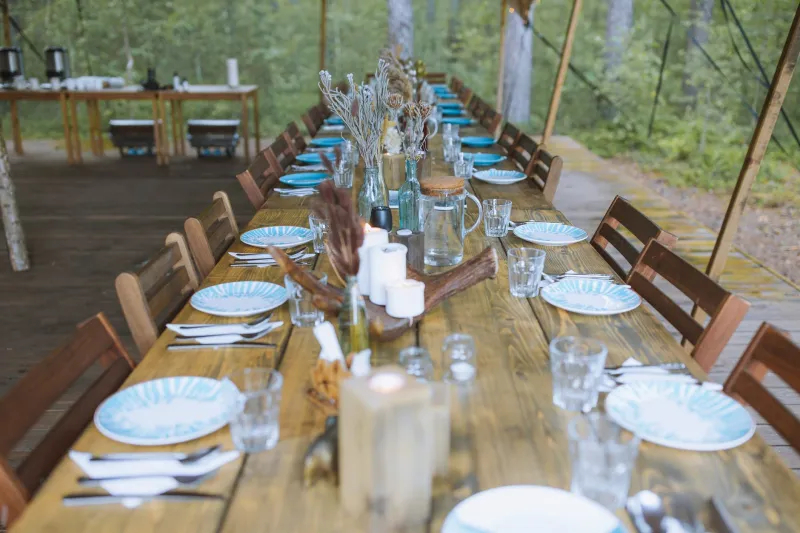
The return is not about recreating a formal banquet. Think long tables, benches, candles, sharing bottles of wine and a menu that feels generous but not overwhelming. The seated wedding breakfast has learned from the buffet era. It borrows the relaxed mood, the seasonal produce and the informal styling, then puts it on a plate.
A menu that moves with the seasons
A good seated menu should taste like the time of year. In spring, consider asparagus with wild garlic and a soft hen's egg, or lamb with new potatoes and mint. Summer invites tomatoes, basil, Cornish crab and elderflower. Autumn is made for roast squash, sage, venison and Bramley apples. Winter calls for celeriac soup, slow-braised beef, roots and a proper pudding.
Keep the choices tight. Two starters, two mains and two puddings is plenty; one set menu with a well-designed vegetarian alternative is even calmer. If you want the generosity of a buffet without the queue, serve the main course family-style in large dishes and let guests help themselves at the table. You get the sociable pass-the-platter moment, but the kitchen keeps control of portions and timing.
Cost, portions and the buffet illusion
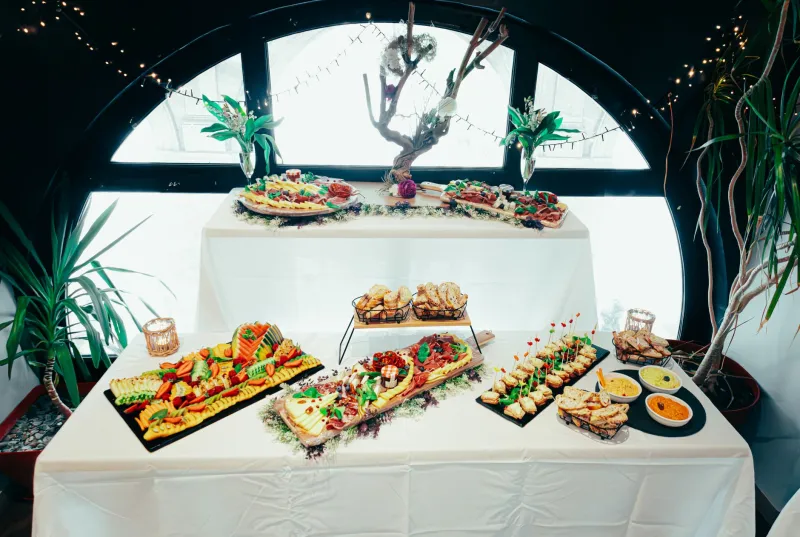
A seated meal is not automatically cheaper than a buffet. It may need more staff, more crockery and a tighter service plan. But it is often more predictable. Buffets can look lavish while quietly creating waste, because guests pile plates high and leave what they cannot finish. A plated course lets the caterer buy and portion with precision.
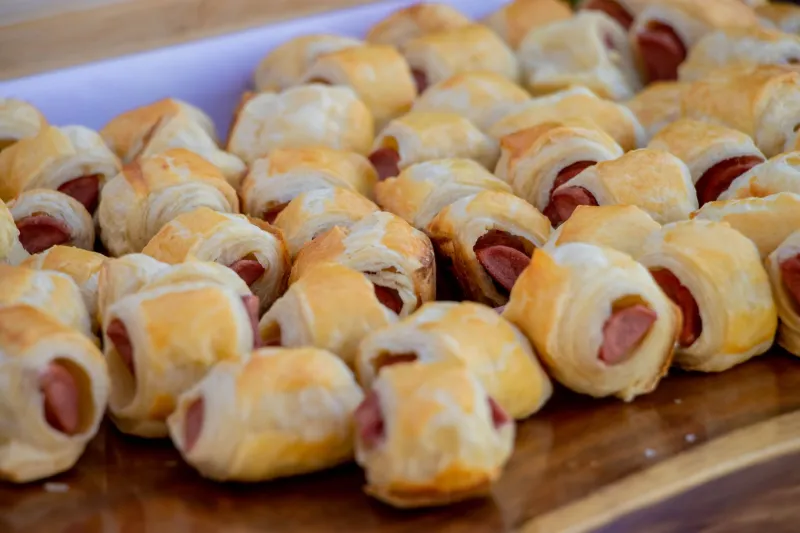
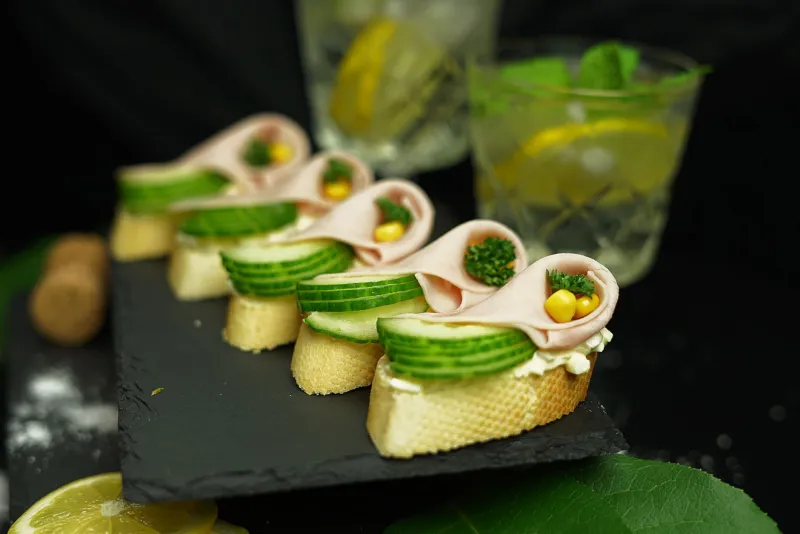
As a rough guide, a starter might sit around 80 to 120g per guest, a main course around 180 to 220g of protein plus generous sides, and pudding around 100 to 120g. If you are hosting a drinks reception before the meal, plan four to six canapés per guest for a 60 to 90 minute period. Any more and you risk filling people up before the main event.
Dietary inclusion without a separate table
The best seated menus are built to adapt. A mushroom and tarragon suet pudding can be vegan. A potato and leek tart can be gluten-free. A rhubarb fool can be dairy-free with the right cream. Instead of writing a separate afterthought menu, design dishes that can be tweaked without losing their character, then ask guests about needs early and label menus clearly.
This matters for the mood as much as the food. No one wants to be handed a plate that looks like a punishment while everyone else tucks into something beautiful. A seated meal works best when every guest feels properly looked after.
Keeping it celebratory, not stiff
Relaxed seated catering comes down to timing and tone. Allow around two hours for the meal, put speeches between courses rather than all at the end, and keep music low enough for conversation. Long tables help. So does skipping a rigid top table if it makes the room feel more natural. Children can have a simpler menu and an earlier pudding, and guests can move around between courses.
The point is not to recreate a corporate dinner. It is to give people a comfortable seat, a lovely plate of food and a reason to stay talking.
The last course
In 2026, the seated wedding breakfast is back because it does something a buffet cannot: it makes guests feel hosted. It creates a pause in the day, a shared experience and a menu that can be seasonal, inclusive and genuinely delicious. Courses are not the enemy of a good party. Done with warmth and a little flexibility, they might be the best way to start one.
At Food Love Catering, we love a celebration that feels generous without feeling chaotic. If you are planning a seated wedding breakfast, start with the season, keep the menu tight and leave room for the room to relax.