Gravy, Generosity and a Very Long Table: The Sunday Roast Takes Over UK Weddings
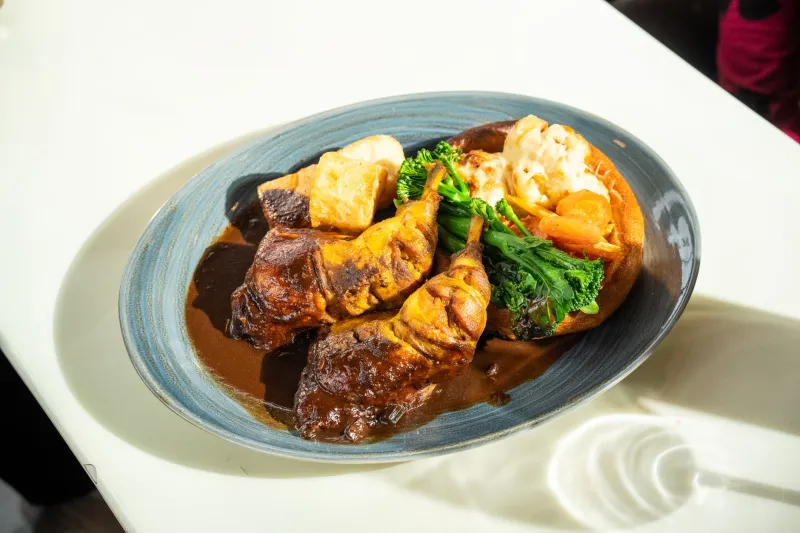
Picture the scene. The vows are done, the confetti has been swept into corners, and the room smells of rosemary, roasted potatoes and something sweetly oniony. A jug of gravy makes its way down a long table. Someone’s nan is already asking whether there are extra Yorkshire puddings. This is not a country pub lunch. It is a wedding breakfast, and in 2026 it is increasingly built around the Sunday roast.
Fine dining will always have its place. But there is a quieter, warmer mood shaping UK weddings right now. Couples want rooms full of people who feel looked after, not impressed. They want food that needs no explanation. And they want a menu that works as well for a six-year-old as it does for a great-aunt who has strong opinions about cauliflower cheese.
Comfort Food, With a Sense of Occasion
The Sunday roast is familiar, but that does not make it ordinary. At a wedding it becomes generous: a carved joint, proper roast potatoes, seasonal vegetables, Yorkshire puddings the size of saucers and gravy that arrives in jugs rather than thimbles. It feels celebratory without being fussy. It says come in, sit down, let us feed you.
That message lands especially well with multigenerational guest lists. A plated tasting menu can be beautiful, but it can also leave guests wondering what they are eating and whether they should have mentioned the coriander. A roast is a shared language. Children recognise it. Grandparents approve of it. Friends who have travelled across the country are pleased to see something hot, abundant and deeply familiar.
In 2026, the couples choosing this route are not rejecting elegance. They are redefining it. Linen napkins and a beautiful room still matter. So does the feeling that nobody leaves hungry or confused.
Carvery, Family-Style or a Clever Hybrid
There are three main ways to make a roast work at a wedding, and most couples end up somewhere between them.
A carvery-style service puts a chef at the centre of the room, carving beef, chicken or a vegetarian joint to order. It is theatrical in a low-key way, and guests love choosing their own ratio of meat to potatoes. The trade-off is queueing. If you go down this road, plan two serving points or a table-by-table call-up so people are not standing in a long line while their Yorkshire pudding goes cold.
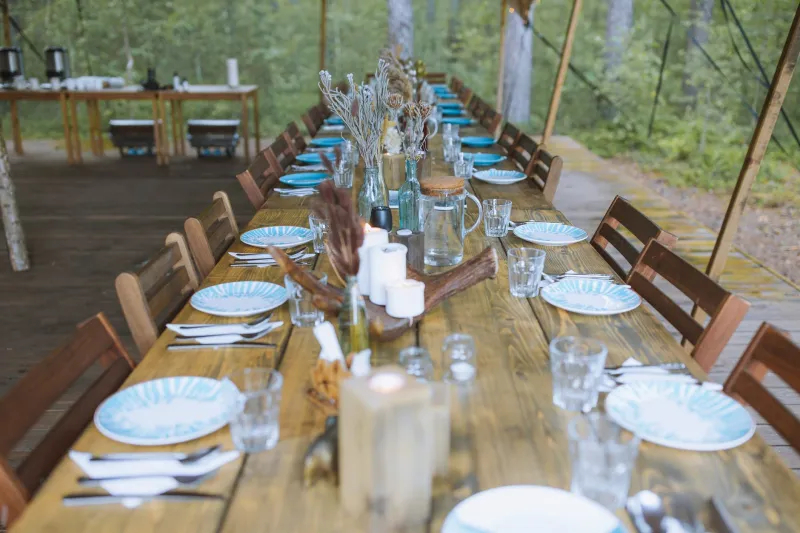
Family-style service is the more communal option. Platters of sliced meat, bowls of roast potatoes, seasonal greens and jugs of gravy are placed on the tables and passed around. It creates conversation and a lovely sense of abundance, but it needs enough serving staff to keep platters moving and hot food coming.
The hybrid is perhaps the most practical choice for 2026. Guests receive a plated main, perhaps carved meat with a neat pile of potatoes and vegetables, while sides and gravy arrive family-style. It keeps service calm, gives everyone a proper plate and still feels generous. Extra Yorkshire puddings can be brought round in baskets, which is never a bad idea.
Seasonal trimmings do a lot of the heavy lifting here. Spring greens and new potatoes, summer beans and heritage carrots, autumn squash and red cabbage, winter roots and cauliflower cheese. The menu can shift with the calendar without losing the comfort factor. Add one strong vegetarian or vegan main, such as a well-made mushroom wellington or a nut roast that has not been treated as an afterthought, and the table starts to feel genuinely inclusive.
Timing the Day So It Doesn’t Stall
A roast is not fast food. That is part of its charm, but it does mean the day needs a sensible rhythm.
Keep the drinks reception to around 45 minutes to an hour, with canapés that are easy to eat standing up. Once guests are seated, aim to have the main on the table within 20 to 25 minutes. If you are serving a starter, keep it light, perhaps a seasonal soup or a simple salad, so it does not compete with the main event. The roast itself needs around an hour to be enjoyed properly, especially with family-style sides and gravy making the rounds.
Speeches can go after the main course and before pudding, or after pudding if you want a softer landing. What matters is avoiding the dreaded lull: a long wait between courses, a carvery queue with no end, or speeches that begin when everyone is still hunting for a serving spoon. Pre-pour wine, put water on the tables, and make sure gravy jugs are replenished. Small practicalities keep the room happy.
If you are having an evening buffet later, scale the roast down slightly. Nobody needs to be so full at 4pm that they cannot face a sausage roll at 9pm. A generous roast followed by pudding and coffee is usually plenty.
Dietary Needs Without the Spreadsheet
Dietary requirements can make any menu feel complicated, but a roast is more adaptable than it looks. Potatoes, vegetables and gravy can be gluten-free with a little planning. A vegan main can sit alongside the meat without anyone feeling singled out. The key is to gather information early, not at the table.
Use your RSVP to ask about allergies and dietary needs, then give the caterer one clear list. Rather than offering five different alternatives, choose one excellent vegetarian or vegan main and make sure it is served properly, with its own gravy and trimmings. Gluten-free guests need clean serving utensils and a clear label, not a whispered conversation with a waiter. If you are offering family-style platters, ask staff to bring dietary plates directly to the right people so nobody has to interrogate a bowl of cauliflower cheese.
The aim is confidence, not a colour-coded dossier at every place setting. A simple menu card, a well-briefed catering team and a few clearly labelled dishes will do more than a spreadsheet ever could.
The Small Joys That Make It a Wedding
The details are what turn a good roast into a memorable wedding breakfast. Extra gravy. A bowl of horseradish. Yorkshire puddings brought round while people are still eating. A vegetarian main that looks as good as everything else. A pudding that follows without a long wait.
The Sunday roast works because it is generous without being showy. It gives guests something to pass, something to share and something to remember. In 2026, that feels exactly right.