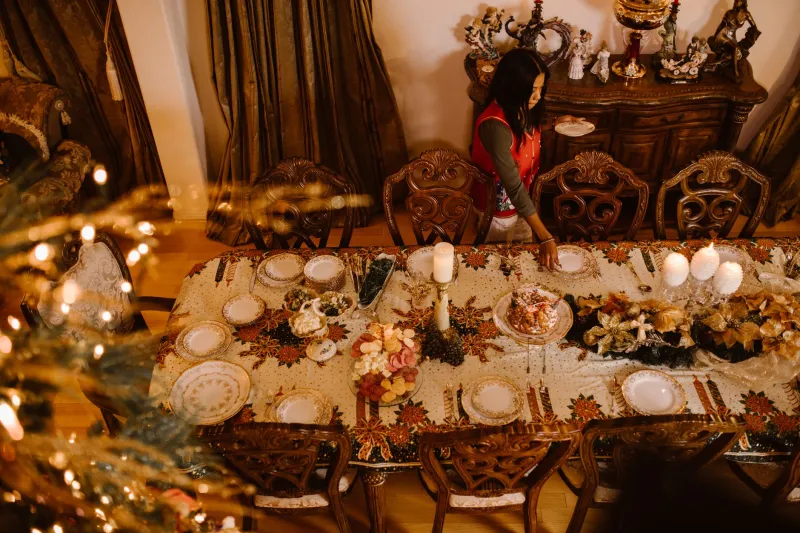
The Little Kitchen That Could: A Village Hall Wedding That Feels Anything But Amateur
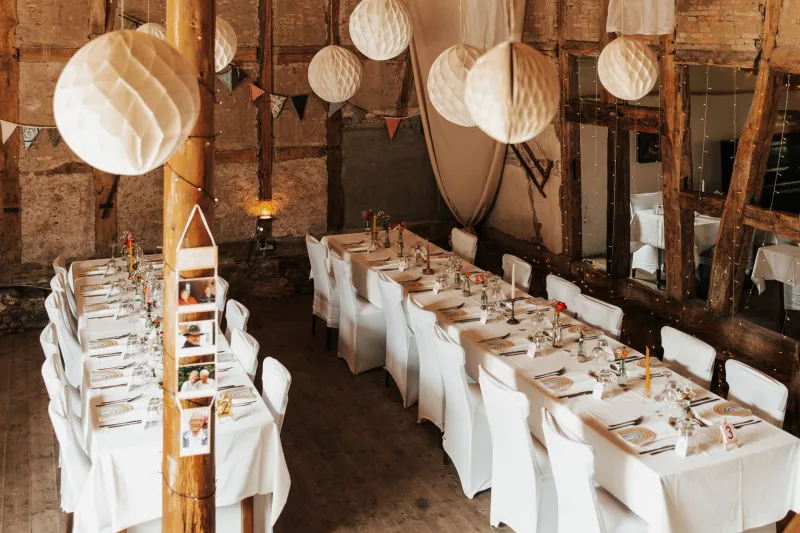
There is a particular kind of magic to a village hall wedding. The floors are polished by decades of jumble sales, the stage has seen more amateur dramatics than the West End, and the whole place smells faintly of tea and possibility. It is also, quite often, equipped with a kitchen that can boil an urn and not much else. That is not a reason to panic. It is a reason to plan like a calm, well-fed grown-up.
The charm of a DIY venue is that you get to make the day your own. The catch is that nobody hands you a professional kitchen, a brigade of chefs or a maître d’ when you pick up the keys. The good news? With the right menu, a sensible kit list and a small team who know what they are doing, a village hall wedding can feel generous, relaxed and quietly impressive. Not amateur. Never amateur.
Start With the Kitchen You Actually Have
Before you fall in love with a menu, visit the hall and look at the kitchen with honest eyes. How many ovens? What sort of hob? Is there a fridge big enough for more than a few bottles of milk? Are there enough plug sockets, or will you be playing lead-swapping roulette with the tea urn? Ask about water pressure, bin access and whether the hall committee has any rules about cooking on site.
Most village hall kitchens are best treated as a holding space rather than a production line. That means choosing food that is either cooked elsewhere and finished here, or served cold or at room temperature. If you are working with a caterer, this is the conversation to have early. If you are doing it yourselves, be brutally realistic about what you can prep in advance and what can be safely transported in a car without ending up as a lapful of gravy.
Menus That Travel Well and Still Feel Celebratory
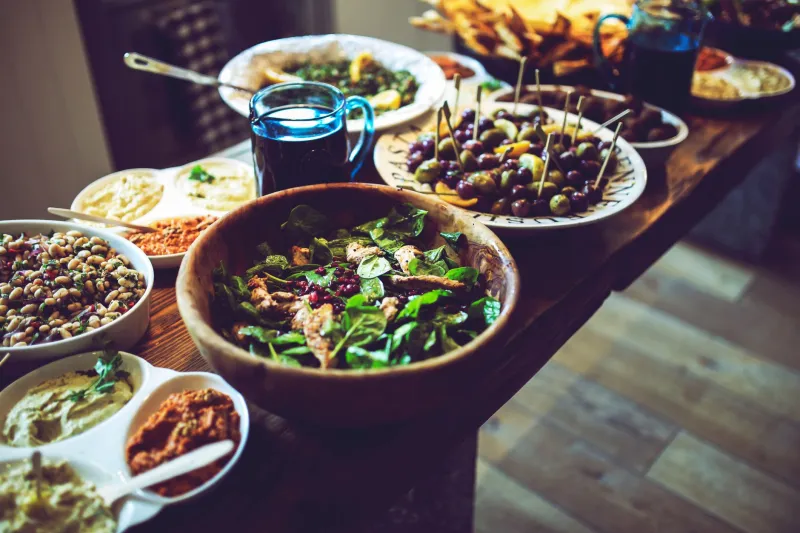
A village hall feast should not look like a compromise. It should look like somebody thought about it. Think sharing platters, slow-braised dishes, big bowls of seasonal salad, generous bread, good butter and puddings that can be cut and passed around without a pastry chef having a meltdown.
For a summer wedding, consider a cold table with roasted vegetables, cured meats, British cheeses, new potatoes, leaves and a couple of punchy dressings. For cooler months, a slow-cooked beef or mushroom ragout held in hired hot boxes, with mashed potato or barley and a bright, sharp slaw on the side, is both practical and deeply comforting. A whole baked salmon is a beautiful centrepiece and travels surprisingly well if you have a cool box and a steady hand.
Avoid anything that needs last-minute frying, delicate plating or a deep-fat fryer. Avoid towering desserts that require a prayer and a spirit level. Instead, lean into traybakes, trifles in big glass bowls, summer puddings, lemon posset in little glasses or a proper cheese table with oatcakes and chutney. These are the sorts of puddings that say “we are very pleased you came” without needing a kitchen the size of an aircraft hangar.
Hire the Kit, Not Just the Chairs
Most village halls will give you tables and chairs, and not much more. The rest is up to you. Hire companies are brilliant for this: chafing dishes, hot boxes, plates, cutlery, glassware, linen, water jugs, serving platters, a proper bar setup and even a mobile fridge. Book early, especially in wedding season, and confirm delivery and collection times in writing.
Do not forget the unglamorous stuff: bin bags, tea towels, washing-up bowls, sharp knives, bottle openers, cling film, foil, blue roll, a first-aid kit and a box of plasters for the person who always manages to cut themselves on a lemon. A checklist taped inside a cupboard door is not fussy. It is the difference between a smooth evening and a frantic rummage through the boot of somebody’s car.
Staffing: Small Team, Big Difference
You do not need a full brigade, but you do need a few people who are not emotionally invested in the speeches. A front-of-house lead, two servers and someone on the bar can transform the day. They can top up drinks, clear tables, keep an eye on the buffet, direct guests to the loos and quietly solve problems before you notice them.
If friends offer to help, give them specific jobs and clear timings, and then let them enjoy the wedding. “Uncle Peter is on bins” is a lovely offer, but it is not a staffing plan. Paying for even a small professional team is often the best money you will spend at a DIY venue. It buys you the freedom to be a guest at your own wedding.
Timings That Breathe
Village halls have a habit of making everything feel slightly more compressed than it does in a hotel. You are managing deliveries, decorations, caterers, the band and the clean-up all in one place. Build in more time than you think you need.
A simple shape for the day might be: canapés and drinks for 45 minutes while the room is turned around; call to the table; a relaxed sharing-style feast; speeches after the main course or before pudding; then tea, coffee and puddings before the evening food arrives. Evening food should be easy to serve and easy to eat: bacon rolls, mini pies, chips in paper cones, a cheese table, warm sausage rolls, veggie wraps or a late-night ice cream cart. Nothing that needs a knife and fork while dancing.
Drinks Without the Drama
Check the hall’s licence and any corkage rules before you plan a bar. Many village halls allow you to bring your own alcohol, sometimes for a fee, but you need to know the details. A welcome drink of fizz or a seasonal cordial, a couple of good wines, a local beer or two and plenty of soft options will keep most crowds happy. A self-serve drinks station with clearly labelled bins for empties is a small touch that saves a lot of mess.
And never underestimate the power of a proper tea and coffee station. In a village hall, an urn is practically a member of the family. Give it a pretty sign, a good selection of teas and a plate of something sweet, and you will have made a friend for life.
The Small Touches That Stop It Feeling DIY
Lighting does more for a village hall than almost anything else. Warm lamps, fairy lights, candles in jars and a few well-placed uplighters can soften the sports-hall echo and make the room feel intimate. Linen on the tables, simple flowers in jam jars, handwritten place names and a clear, pretty sign for the bar or pudding table all add up.
And have a clean-up plan. Village halls often need to be left exactly as you found them, if not better. Assign a team, book a skip if needed, and make sure somebody knows where the brooms live. The last hour of a village hall wedding is not glamorous, but it is part of the charm. Get it done, then go and have a very large cup of tea.
A village hall wedding is not a lesser wedding. It is a wedding with a bit of grit and a lot of heart. Feed people well, give them somewhere lovely to sit, keep the drinks cold and the tea hot, and nobody will remember that the kitchen was tiny. They will remember that it felt like a proper celebration.