The Warm-Up Act: Hosting a Wedding Welcome Dinner That Feels Like a Hug
Ask couples what guests still mention months after a wedding weekend and the welcome dinner often sneaks into the conversation. Not because it was the fanciest meal, but because it was the moment everyone stopped being polite strangers and started relaxing. For 2026, more UK weddings are stretching across a whole weekend, and the Friday-night gathering has become its own lovely thing: a chance to say thank you, settle nerves and feed people properly before the main event.
Why the Friday Night Matters
A welcome dinner is not a second wedding breakfast. It is a softer landing. Guests arrive from trains, motorways and the wrong end of the country. They are tired, they are hungry, and they want to know where to stand and who to talk to. A good welcome dinner answers all three questions without asking anyone to dress up or sit through a speech marathon.
The best ones feel like a very generous supper in a favourite pub, even if they are actually in a village hall or a marquee. The food should be comforting, the drink should be easy, and the finish time should be sensible. Think of it as the warm-up act: it gets the room in the mood, then gets out of the way.
Choose a Format That Suits the Venue
Not every venue has a kitchen, and not every couple wants a sit-down meal. The format should follow the space rather than the other way around.
A local pub or restaurant buyout is brilliant for smaller weddings. You get atmosphere for free, plus staff who know how to look after a group. If you are using a village hall, a marquee or a barn, a caterer who can work with limited power and a temporary kitchen is worth their weight in gold. For larger groups, long tables with sharing platters keep things sociable and stop the evening feeling like a conference dinner.
If the wedding venue allows early access, a simple drinks reception on site followed by a relaxed supper nearby can work beautifully. Just keep travel times short. Nobody wants a 25-minute coach trip between the welcome drink and the first plate of food.
A Menu Blueprint for Sharing and Warmth
Welcome dinner food should be fork-friendly, generous and not trying too hard. This is not the night for a seven-course tasting menu or delicate tweezers. It is the night for dishes that arrive in big dishes and encourage elbows on the table.
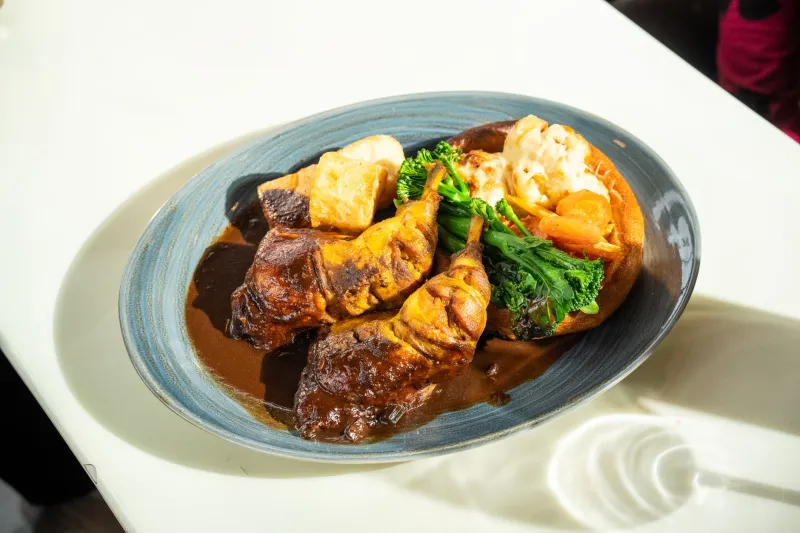
For autumn and winter weddings, slow-cooked beef with horseradish cream, a proper vegetarian pie or wellington, buttered greens and dauphinoise potatoes always land well. Add a squash and sage soup served in mugs for arrival, and a warm apple crumble or treacle tart to finish. A seasonal warmer is not just about temperature; it is about the feeling of being looked after.
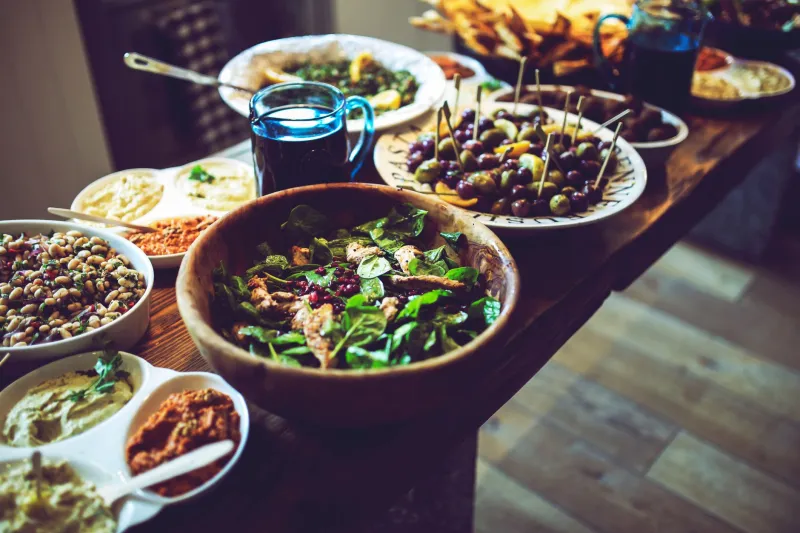
In summer, shift to mezze boards, grilled chicken or lamb, flatbreads, big bowls of salad and a table of pickles and dips. A pasta bake or a giant fish pie works in any month and is unfailingly popular with all ages. The menu does not need to compete with the wedding breakfast. It needs to be different enough that nobody feels they are eating the same meal twice, and comforting enough that people go to bed happy.
Drinks: Friendly, Not Fancy
A welcome dinner is not the place for a full cocktail menu and a sommelier. Local ale, English sparkling wine, a couple of good reds and whites, and a proper low-alcohol option will cover most crowds. Jugs of a simple welcome drink, such as elderflower presse with mint or a seasonal fruit cup, make the first half-hour feel celebratory without slowing down service.
Make sure water is on the table from the start. It sounds small, but after a long journey it is the most welcome thing in the room. Tea and coffee at the end, with a plate of something sweet, gives people a natural signal that the evening is winding down.
Timings That Protect the Big Day
Start early and finish early. A 6pm arrival drink, 7pm sit-down, 9pm pudding and 10pm carriages is a sensible rhythm. It gives out-of-town guests time to settle in, and it protects the couple and the wedding party from a late night before the main event.
Keep speeches to a minimum. One short welcome from the couple or a parent is plenty. Save the emotional speeches for the wedding day itself. The welcome dinner should feel like a gathering, not a rehearsal.
Dietary Needs Without the Fuss
Collect dietary requirements at the RSVP stage, not on the night. A simple online form or a note on the invitation works. Then label dishes clearly and make sure vegetarian, vegan, gluten-free and dairy-free options are proper meals rather than afterthoughts.
Sharing menus need extra care. Serve dishes with clear labels, use separate serving spoons and brief the staff on allergens. If a guest has a serious allergy, have a dedicated plate prepared in the kitchen and brought to them directly. It is not overkill; it is hospitality.
Looking After the Out-of-Towners
A welcome dinner is the perfect moment to look after guests who have travelled. A small welcome bag at the venue with local taxi numbers, a bottle of water and a few recommendations for the next morning goes a long way. If people are staying in different places, put a simple map or directions on the table.
Consider a slightly earlier finish if many guests have been on the road. And if there is a wedding rehearsal or venue set-up happening the next morning, resist the urge to turn the welcome dinner into a late-night party. There will be plenty of time for that on Saturday.
The Logistics Bit
When briefing a caterer, be clear about kitchen access, power, water, refrigeration and the time you have the space. If you are in a marquee, ask about flooring and heating. If you are in a pub, check whether the kitchen can handle your numbers and whether you have exclusive use of the room.
Hire enough staff. A relaxed sharing menu still needs people to replenish platters, clear plates and keep drinks moving. And have a wet-weather plan if any part of the evening is outdoors. In the UK, that is not pessimism; it is common sense.
Keep It in Its Lane
The secret to a great welcome dinner is knowing what it is for. It is not the wedding. It is the deep breath before the wedding. Keep the food generous, the drink simple, the speeches short and the finish time kind. Do that, and your guests will arrive at the ceremony the next day feeling looked after, well fed and genuinely excited for what comes next.